
Mycelium vs Traditional Lighting Materials: A Sustainability & Performance Comparison
A new material story for light
Lighting has long been shaped by extraction—metal mined from the earth, plastics derived from fossil fuels, glass forged through high heat and energy. These materials have defined the industry for over a century.
But a new material is emerging from a different system entirely.
Mycelium—the root structure of fungi—offers a way to grow lighting forms rather than manufacture them. Combined with agricultural byproducts like hemp, it creates a solid, lightweight material through a low-energy biological process.
This raises an important question for designers, architects, and conscious consumers:
Is mycelium lighting actually more sustainable than traditional lighting materials?
This article explores that question through a clear comparison of materials, performance, and environmental impact.
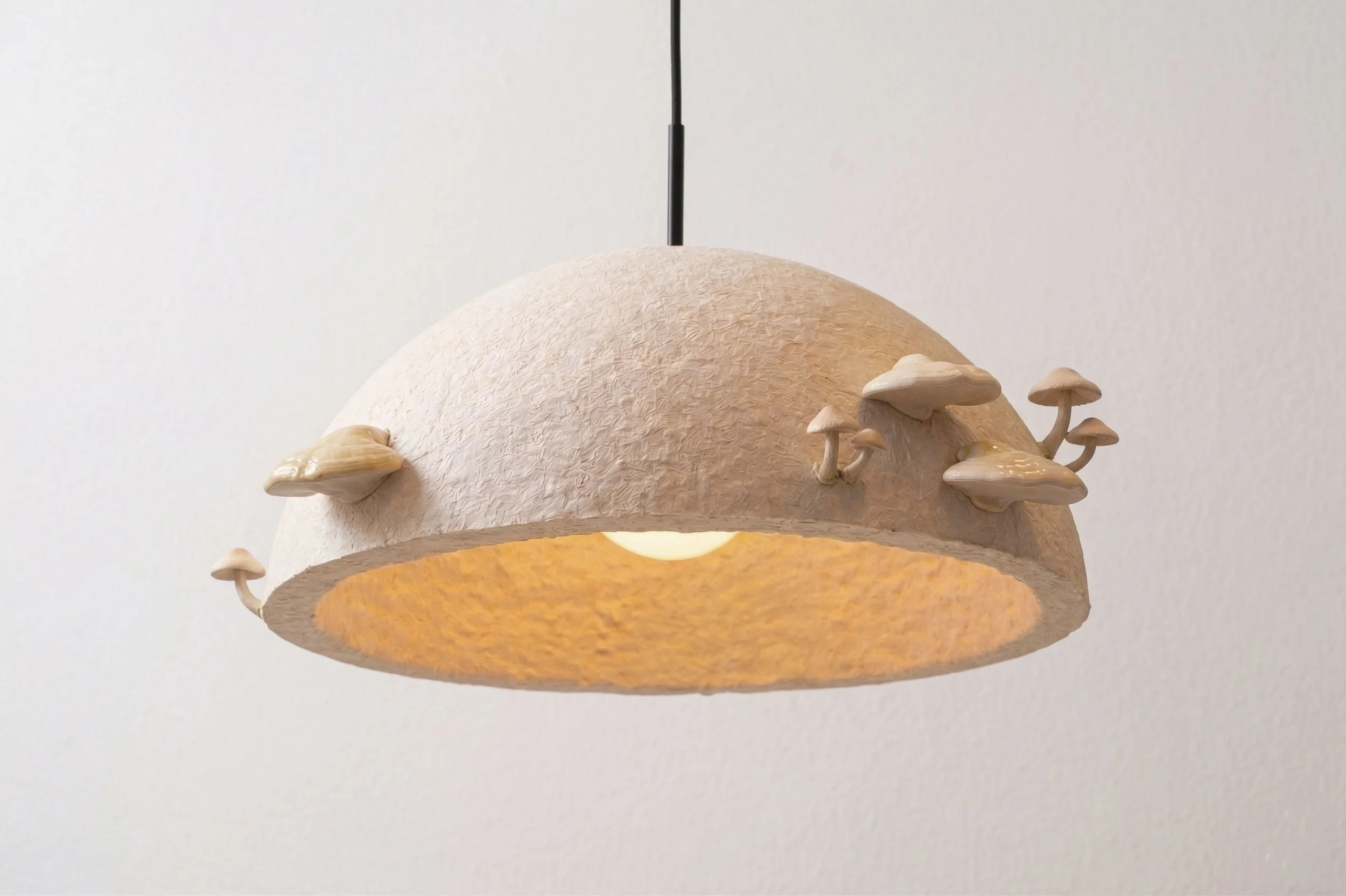
MushLume Hemi Pendant enhanced with AI generated mushrooms
What is mycelium lighting?
Mycelium lighting is a type of fixture that is biofabricated—or grown—using hyphae (mushroom roots) from fungi and a renewable substrate such as plant fibers.
In this process:
Hemp or other agricultural fibers are placed into a mold
Mycelium grows and binds the fibers together over several days
The form is dried to stop growth, creating a stable structure
The result is a durable, lightweight, and compostable material.
Unlike conventional manufacturing, this process relies on biological growth rather than industrial assembly.
Quick comparison: Mycelium vs Traditional Lighting Materials
| Material | Production Energy | Raw Resource Type | End of Life | Renewability |
|---|---|---|---|---|
| Mycelium + Hemp | Low | Agricultural byproducts | Compostable (in many conditions) | Renewable |
| Plastic (Acrylic) | High | Fossil fuels | Landfill (non-biodegradable) | Non-renewable |
| Metal (Aluminum/Steel) | Very high | Mined ores | Recyclable (energy-intensive) | Non-renewable |
| Glass | High | Sand + minerals | Recyclable | Non-renewable |
Important note on carbon impact
Mycelium-based materials are often described as low-impact or carbon-storing, because they incorporate plant-based inputs. However:
A product’s total carbon footprint depends on its full lifecycle (transport, energy use, processing)
Without a verified Life Cycle Assessment (LCA), net carbon-negative claims cannot be universally confirmed

Handcrafting a lampshade using living mycelium and cabron-sequestering hemp
Production: Grown vs Manufactured
The most fundamental difference lies in how these materials come into being.
Traditional materials
Require extraction (mining, drilling)
Depend on high heat or chemical processing
Often involve global supply chains
Mycelium materials
Use locally sourced agricultural waste streams (e.g. hemp)
Grow at ambient temperatures
Require minimal energy and water inputs
This shift—from extractive to regenerative—represents a fundamentally different design paradigm.
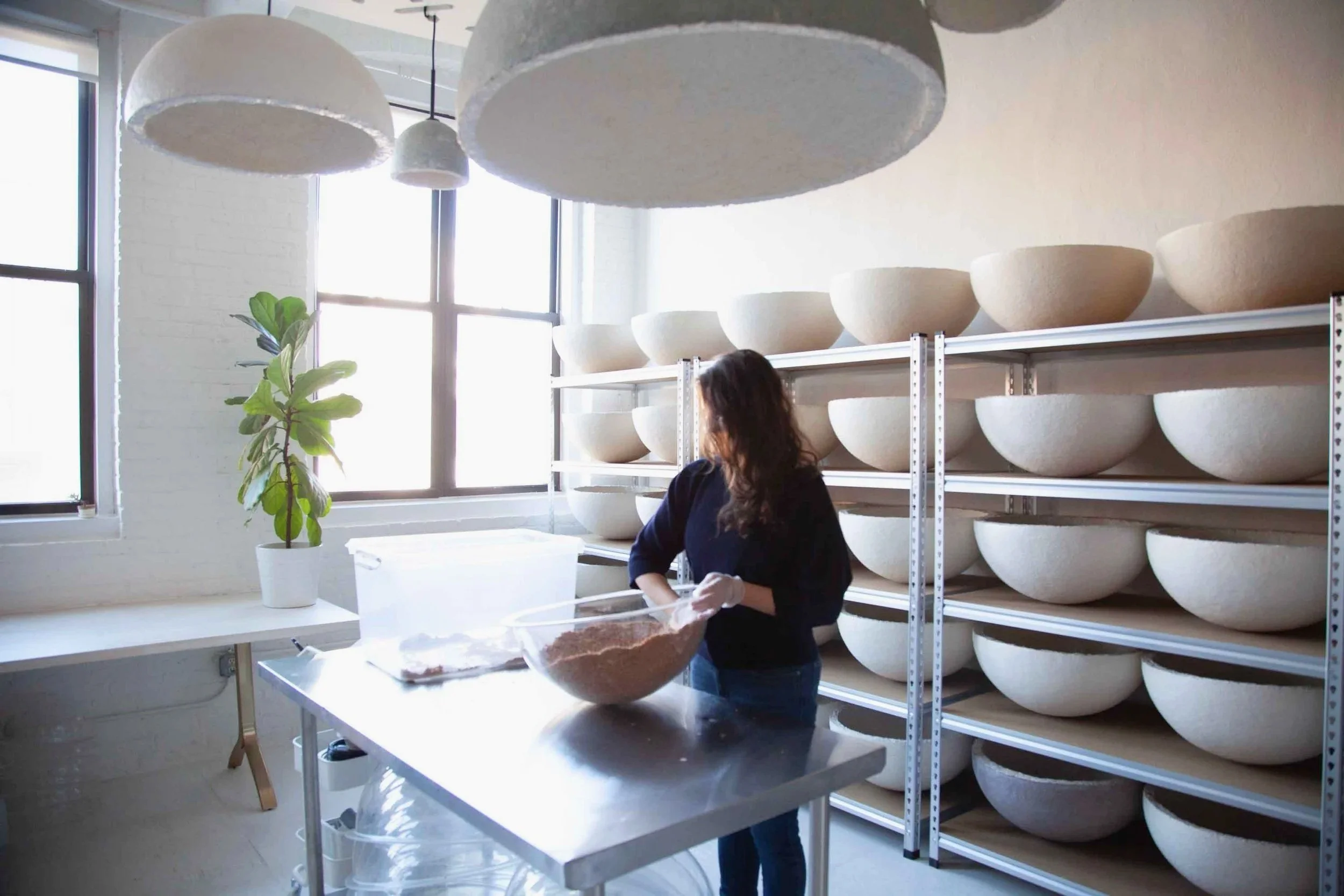
Founder, Danielle Trofe hand-molding a lampshade in the studio in Brooklyn, NY
Environmental impact: where the differences matter most
1. Resource sourcing
Plastic: Derived from petroleum, a finite resource
Metal: Requires mining, often linked to habitat disruption
Glass: Made from abundant materials but processed at high temperatures
Mycelium: Grown from renewable biomass (e.g. hemp, agricultural waste) that sequesters carbon
🍄 Mycelium reduces reliance on virgin resource extraction.
2. Energy consumption
Aluminum production is one of the most energy-intensive industrial processes
Glass manufacturing requires sustained high heat (~1700°C)
Plastics rely on petrochemical refining
Mycelium, by contrast:
Grows at room temperature
Requires significantly less energy & water during formation
🍄 Lower production energy is one of mycelium’s strongest sustainability advantages.
3. End-of-life outcomes
Plastic fixtures typically end up in landfills
Metal and glass are recyclable—but recycling still requires energy and infrastructure
Mycelium materials can biodegrade under the right conditions
🍄 Mycelium lighting supports a circular material lifecycle, rather than a linear one.
Performance Considerations
Sustainability alone is not enough—lighting must also perform.
Durability
Mycelium materials are rigid and stable once dried
Suitable for interior use
Not designed for prolonged exposure to moisture or outdoor conditions without treatment
Weight
Significantly lighter than glass or metal
Easier to ship and install
Fire Rating
Mycelium is naturally fire resistant
MushLume’s mycelium material has a Grade A fire rating (third-party tested, 2024)
Accoustics
Mycelium’s dense network of hyphae naturally dampens sound
Mycelium materials perform with an NRC rating range of .6 - 1.0
Aesthetic qualities
Naturally textured surface
Mycelium skin diffuses light softly
Each piece is unique with a slight variation due to biological growth
Cost comparison
Costs vary widely depending on design, scale, and fabrication.
General observations:
Plastic lighting: Lowest cost due to mass production
Glass and metal: Mid to high, depending on craftsmanship
Mycelium lighting: Typically positioned as premium or design-forward, due to:
Small-batch production
Handmade
Novel material process
Design value
Over time, costs may decrease as biofabrication scales—but this is still an emerging category.
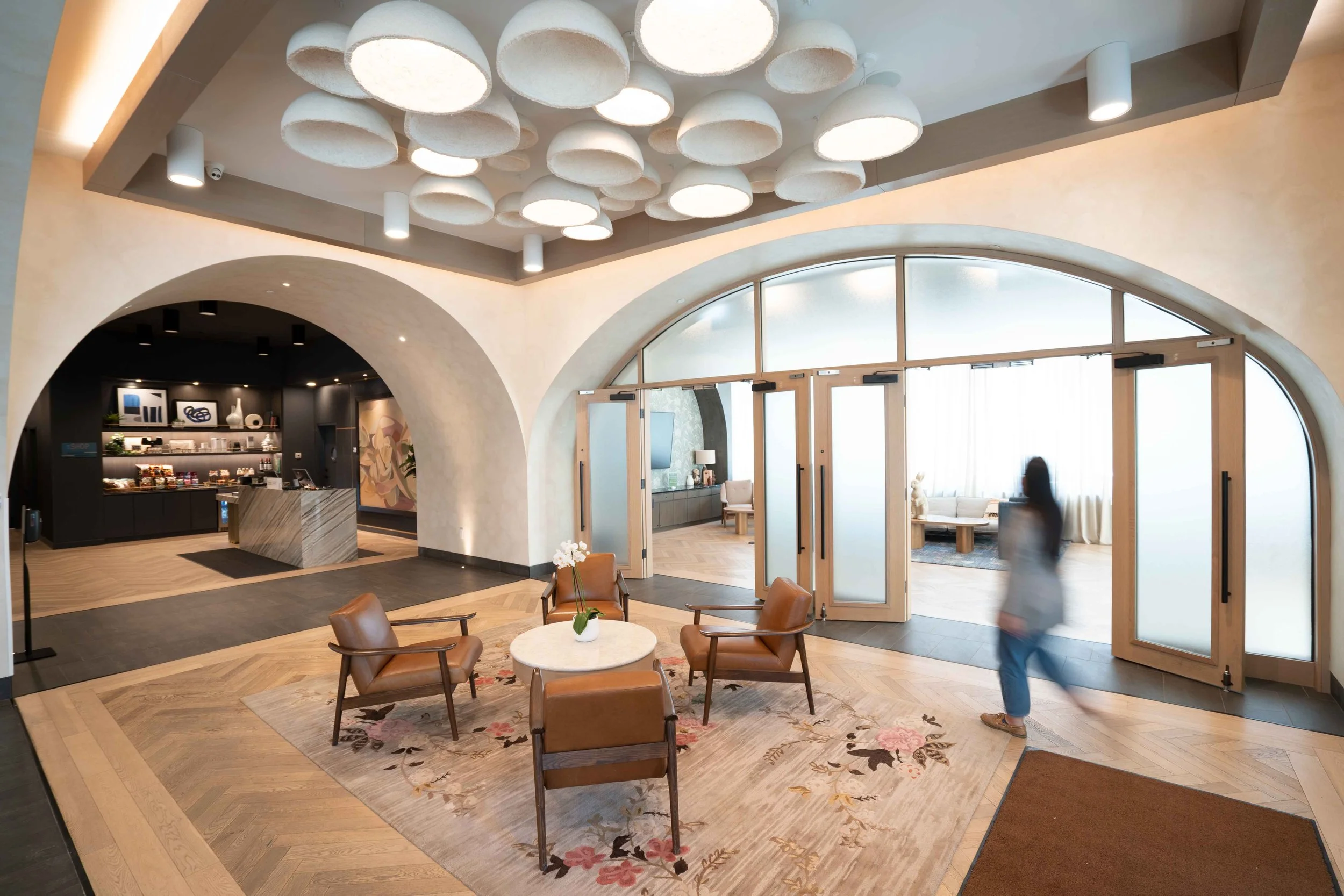
MushLume’s mycelium pendant lamps in the Westley Hotel in Calgary, Canada
Who should choose mycelium lighting?
Mycelium lighting is particularly aligned with:
Architects and Designers
Seeking low-impact material palettes
Integrating storied materials that create a richer connection between people and place, elevating both experience and value
Hospitality and Wellness Spaces
Prioritizing biophilic design
Creating environments that connect occupants to natural systems
Priotize human health and safety
Conscious Homeowners
Interested in non-toxic, renewable materials
Looking for alternatives to mass-produced fixtures
Value unique, handmade art objects
Common questions
Is mycelium lighting safe for indoor use?
Yes. Once dried and stabilized, mycelium materials are inert and safe for interior applications.
Does mycelium lighting smell?
No. Properly finished mycelium products do not retain an organic odor.
How long does mycelium lighting last?
When used indoors and kept dry, mycelium fixtures can last for many years, similar to other natural materials.
Is it fragile?
It is lightweight but structurally stable. It should be handled similarly to ceramic or other natural materials.
Explore our FAQ article that provides a deep dive into our most frequently asked questions or search our FAQ page by clicking the button below.
A shift in how we define materials
Mycelium lighting is not simply a new aesthetic—it represents a broader shift:
From extraction to growth,
from standardization to variation, and
from industrial manufacturing to biological fabrication.
| Traditional Approach | Mycelium Approach |
|---|---|
|
Extraction Raw materials are taken from the earth through mining or drilling. |
Growth Materials are cultivated from renewable biological systems. |
|
Standardization Uniform materials produced through industrial processes. |
Variation Natural variation created through biological growth. |
|
Industrial Manufacturing High-energy production using heat, chemicals, and machinery. |
Biological Fabrication Low-energy process where materials grow into form. |
This shift challenges the assumption that design must begin with raw materials taken from the earth, instead proposing that materials can be cultivated in partnership with living systems.
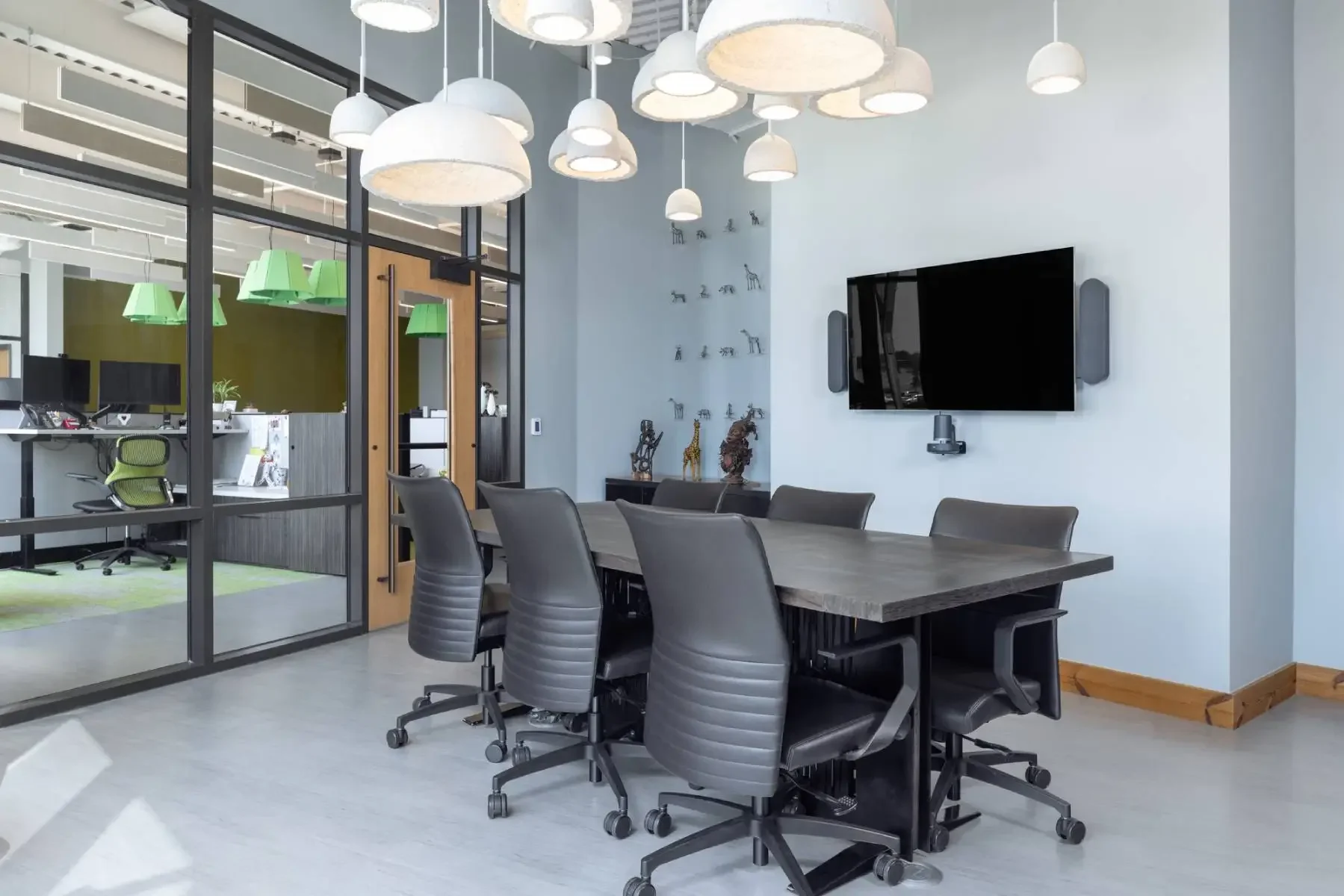
The future of lighting materials
The lighting industry is at an inflection point.
As sustainability moves from marketing language to measurable criteria, material choices are becoming central to design decisions.
Mycelium is one of several emerging biomaterials—but it stands out for its ability to:
Form complex shapes
Use low energy
Return safely to the earth
Naturally sound-absorbing and fire-resistant
Whether mycelium-based biomaterials become mainstream or remain a specialized material, will depend on scalability, education, industry adoption and continued innovation.

“As one of the first to bring mycelium lighting into commercial production, MushLume continues to explore what becomes possible when materials are grown rather than manufactured. Our work reflects a broader vision for the future of lighting—one rooted in renewable systems, material honesty, and a deeper connection between people, place, and the natural world.”
Danielle Trofe, Founder | Biodesigner
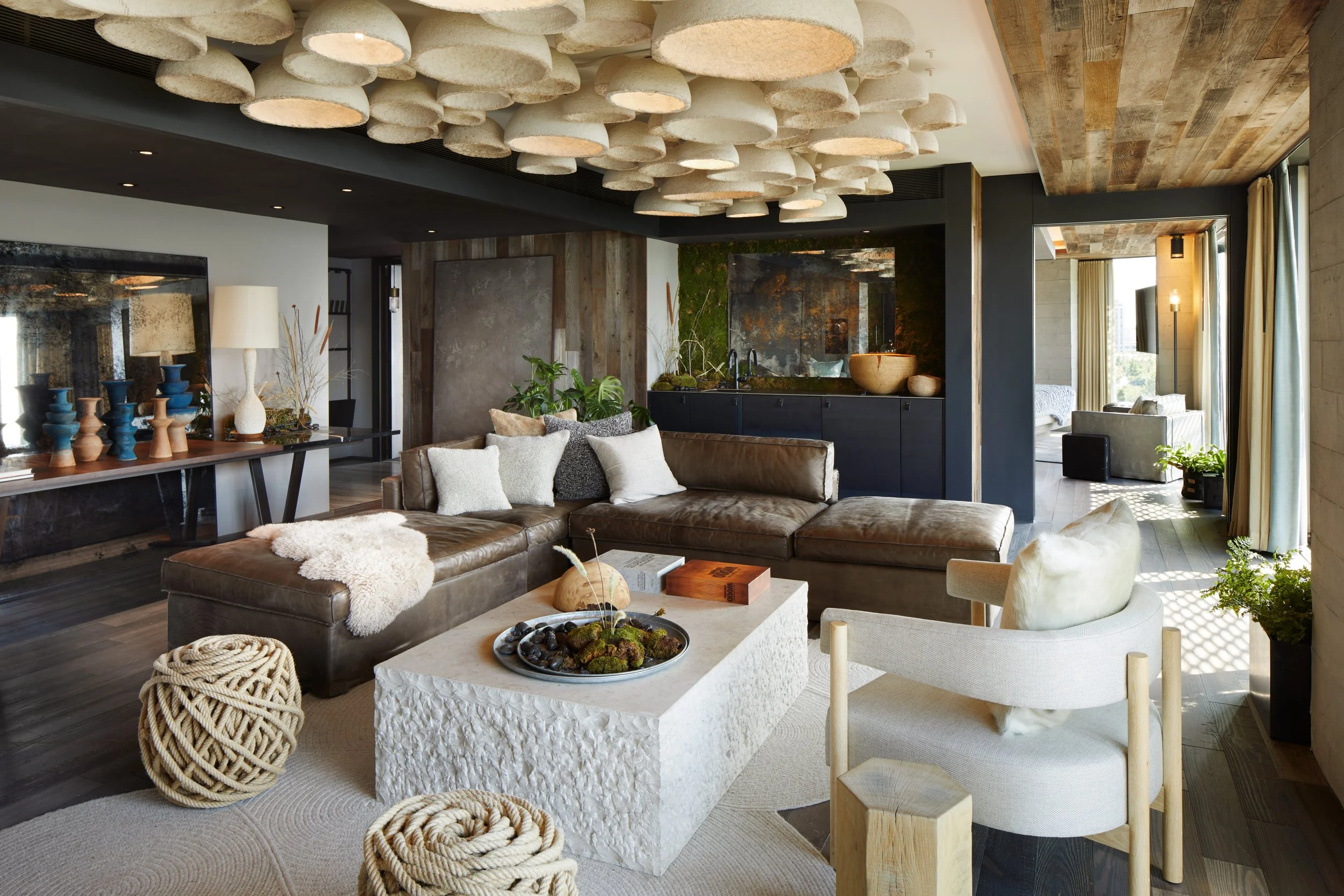
MushLume pendants clustered on the ceiling of 1Hotel Brooklyn Bridge
Final takeaway
Mycelium lighting offers a lower-impact alternative to traditional materials, particularly in terms of renewable inputs, production energy and water, and end-of-life outcomes.
However:
It is not a universal replacement for all applications
Its full environmental impact depends on lifecycle factors
It currently exists within a premium, design-driven market segment
For those seeking to align material choices with ecological values, it presents a compelling and tangible step forward.
As materials continue to evolve, so does our understanding of what design can do. Each choice becomes an opportunity—not just to illuminate a space, but to shape a more thoughtful, regenerative future.
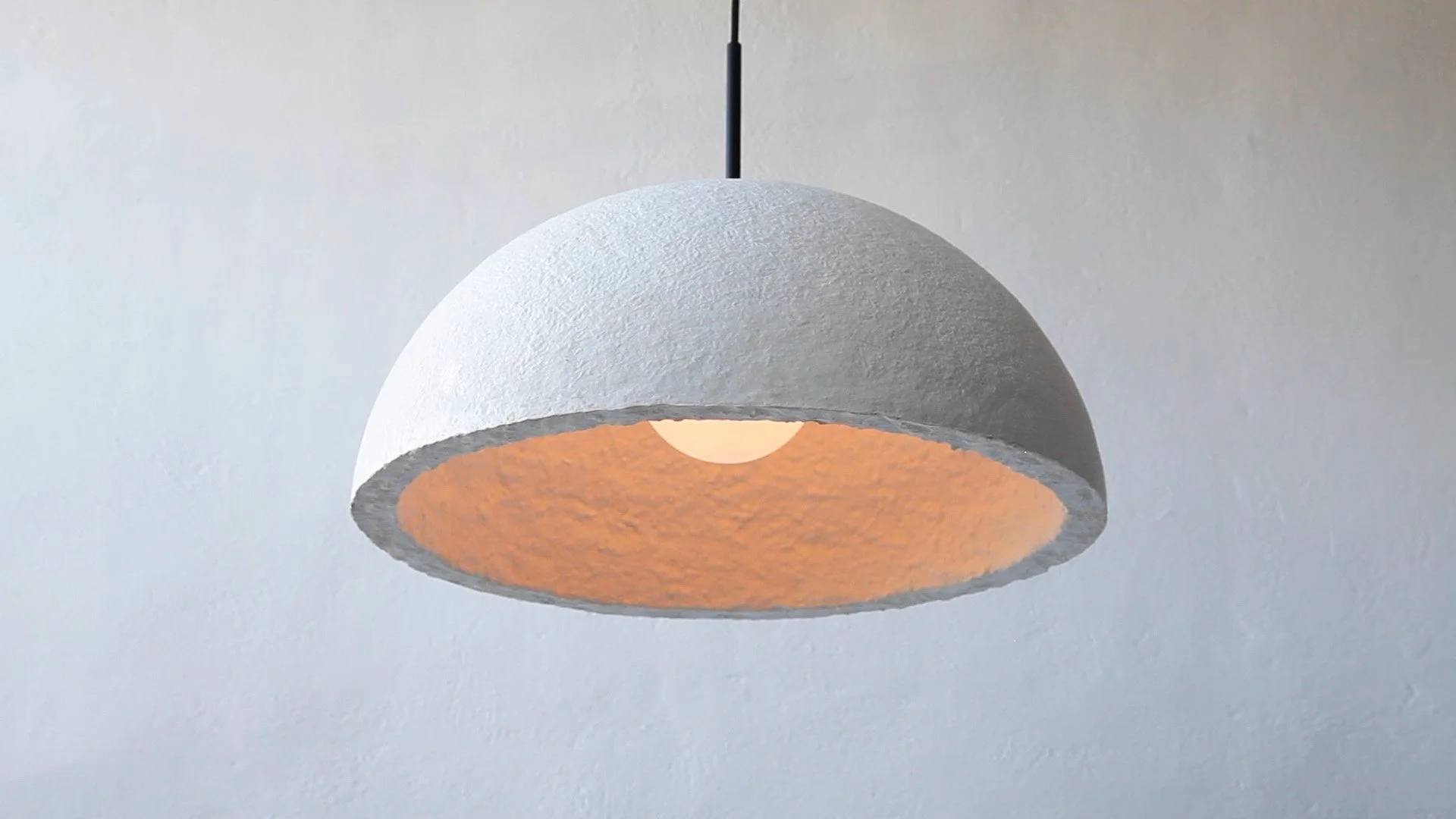
MushLume Hemi Pendant — grown from mycelium and hemp