
What Is Mycelium Lighting? Sustainable Lighting Explained
Lighting, grown from nature
Lighting has traditionally been made from materials extracted from the earth—metal, glass, and plastic shaped through heat, pressure, and industrial processes.
Mycelium lighting offers a different approach.
Instead of manufacturing, it is grown.
Using the root structure of fungi, combined with natural fibers like hemp, mycelium forms a solid, lightweight material that can be shaped into lighting fixtures with minimal energy input.
This process introduces a new category of design—one where material, process, and environment are inherently connected.
For a deeper comparison of how this material performs against conventional options, see our guide to mycelium lighting vs traditional materials.
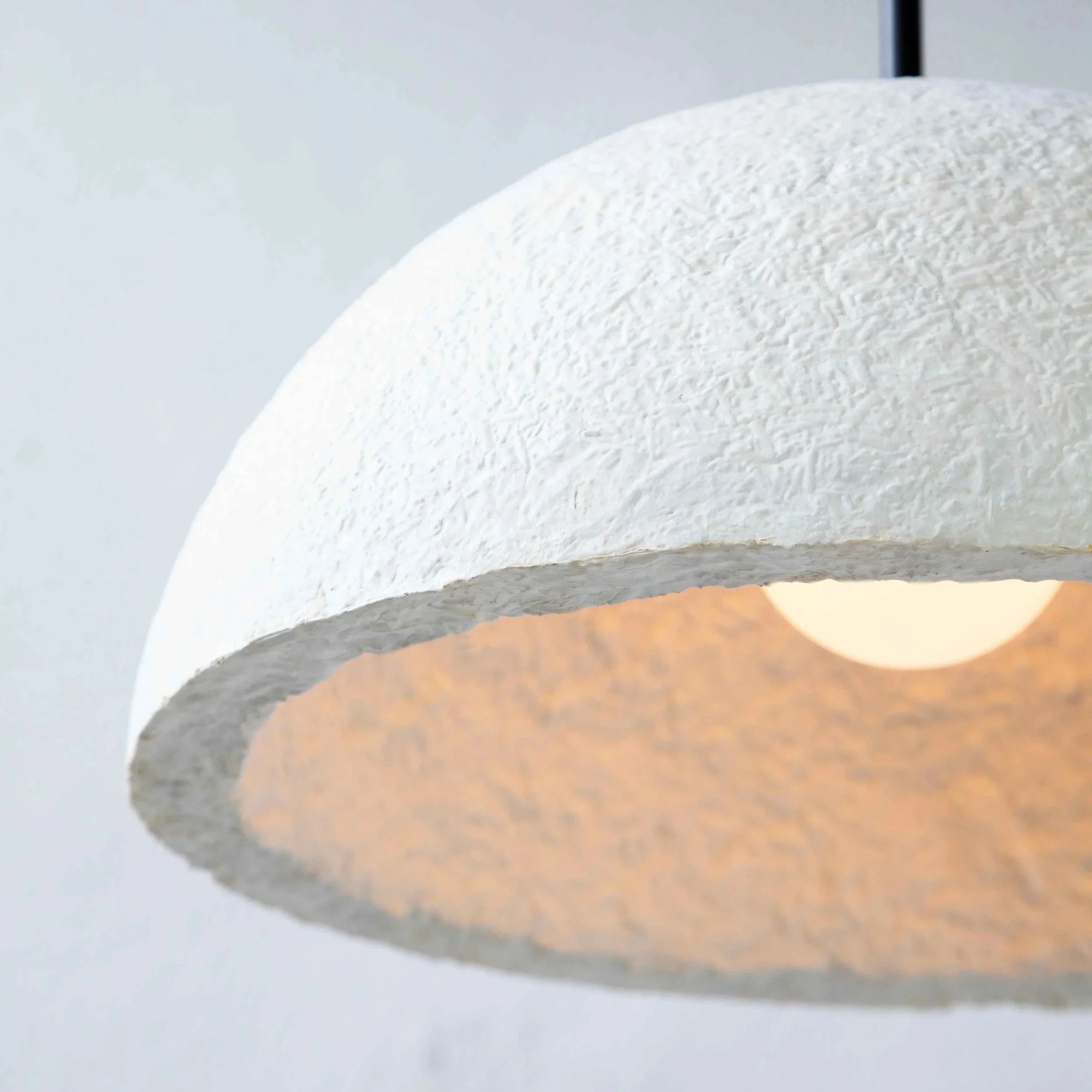
MushLume Hemi Pendant grown using mycelium and carbon-sequestering hemp
What is mycelium?
Mycelium is the root-like network of fungi that grows underground, forming vast interconnected systems in nature.
It functions as a natural binder—capable of connecting and strengthening organic matter as it grows.
In controlled conditions, this property can be harnessed to create solid forms.
When combined with agricultural byproducts like hemp hurd, mycelium:
Grows through the fibers
Binds them together
Takes the shape of a mold
Once dried, the material becomes stable, durable, and ready for use.
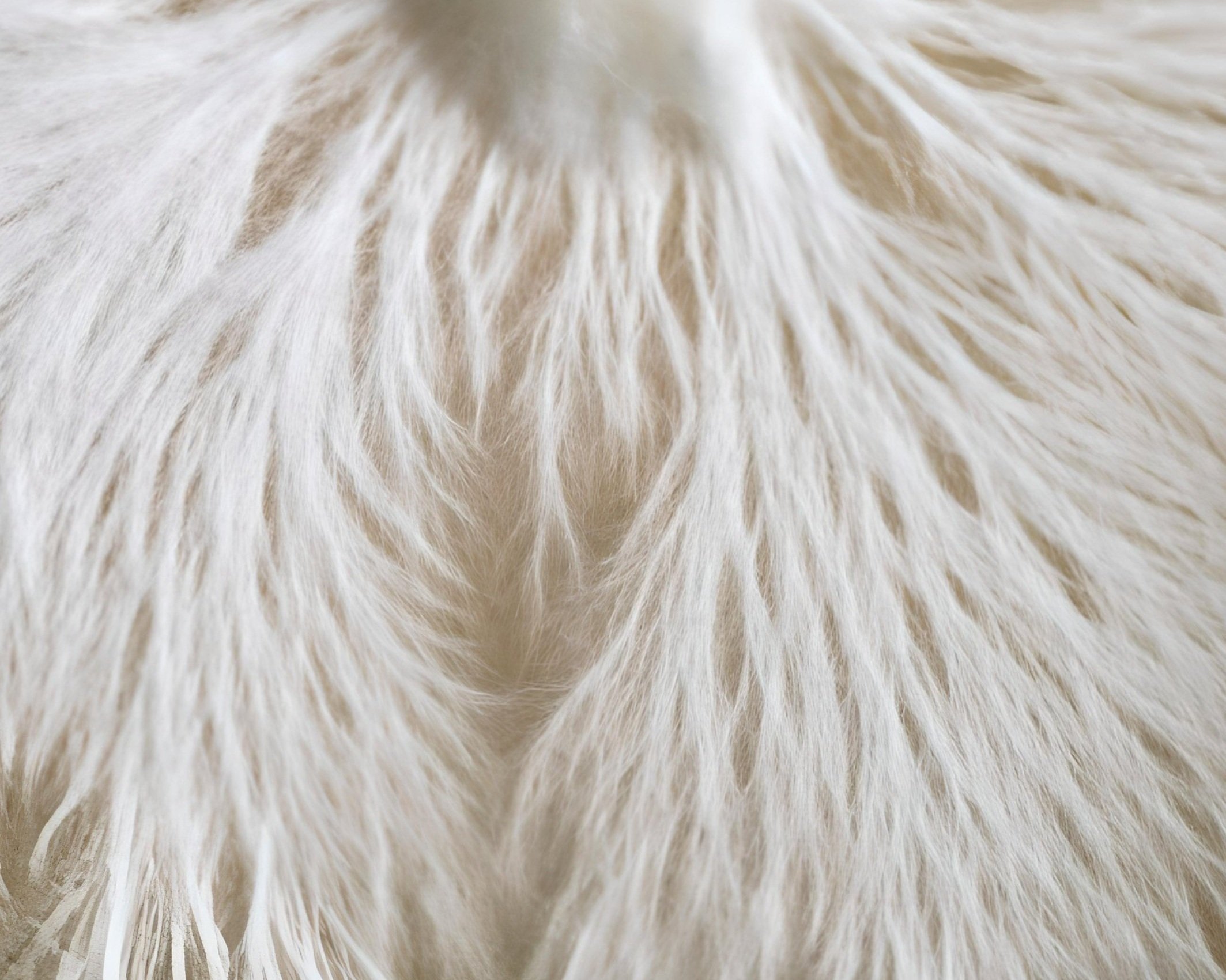
Thread-like hyphae of mycelium— the roots of mushrooms
What is mycelium lighting? AKA Mushroom Lighting
Mycelium lighting is a type of fixture made from biofabricated material grown from fungi and plant-based fibers.
Rather than being carved, cast, or assembled, the material is cultivated into form.
This results in lighting that is:
Lightweight
Naturally textured
Made from renewable inputs
Designed with end-of-life in mind
To understand how this compares across sustainability and performance, explore mycelium lighting vs traditional materials.
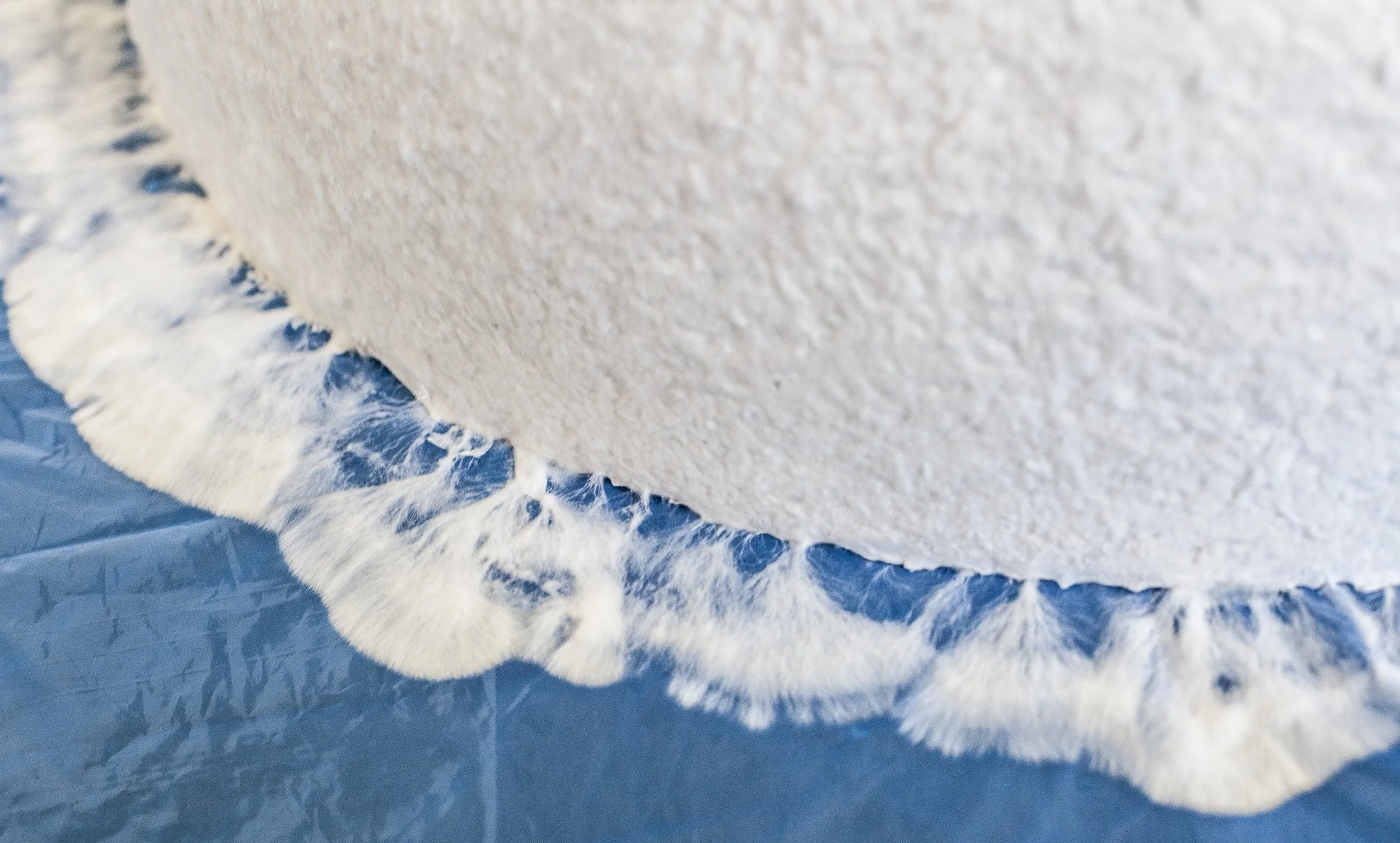
Mycelium hyphae growing out from the edge of a MushLume Hemi lampshade
How mycelium lighting is made
The process of creating mycelium lighting is often referred to as biofabrication.
While methods vary, the general steps include:
Material preparation
Agricultural waste fibers such as hemp are cleaned and prepared.Inoculation
Mycelium is introduced to the material.Growth phase
The mixture is placed into a mold, where mycelium grows and binds the fibers over several days.Drying and stabilization
Heat is applied to stop growth and create a durable, inert material.Finishing
The form may be trimmed or coated, depending on the design.
For a more detailed breakdown, see how mycelium lamps are made (coming soon).
Why mycelium is used in lighting
Mycelium brings together several qualities that make it well-suited for lighting applications.
Natural light diffusion - Its porous structure softens light, creating a warm, ambient glow.
Material efficiency - It uses agricultural byproducts rather than newly extracted resources.
Low-energy production - Unlike glass or metal, it does not require sustained high temperatures to form.
Unique variation - Each piece carries subtle differences, shaped by the growth process.
Naturally fire resistant - mycelium has natural fire resistant properties
These qualities align closely with principles of biophilic lighting design—where material and light work together to create more connected environments.
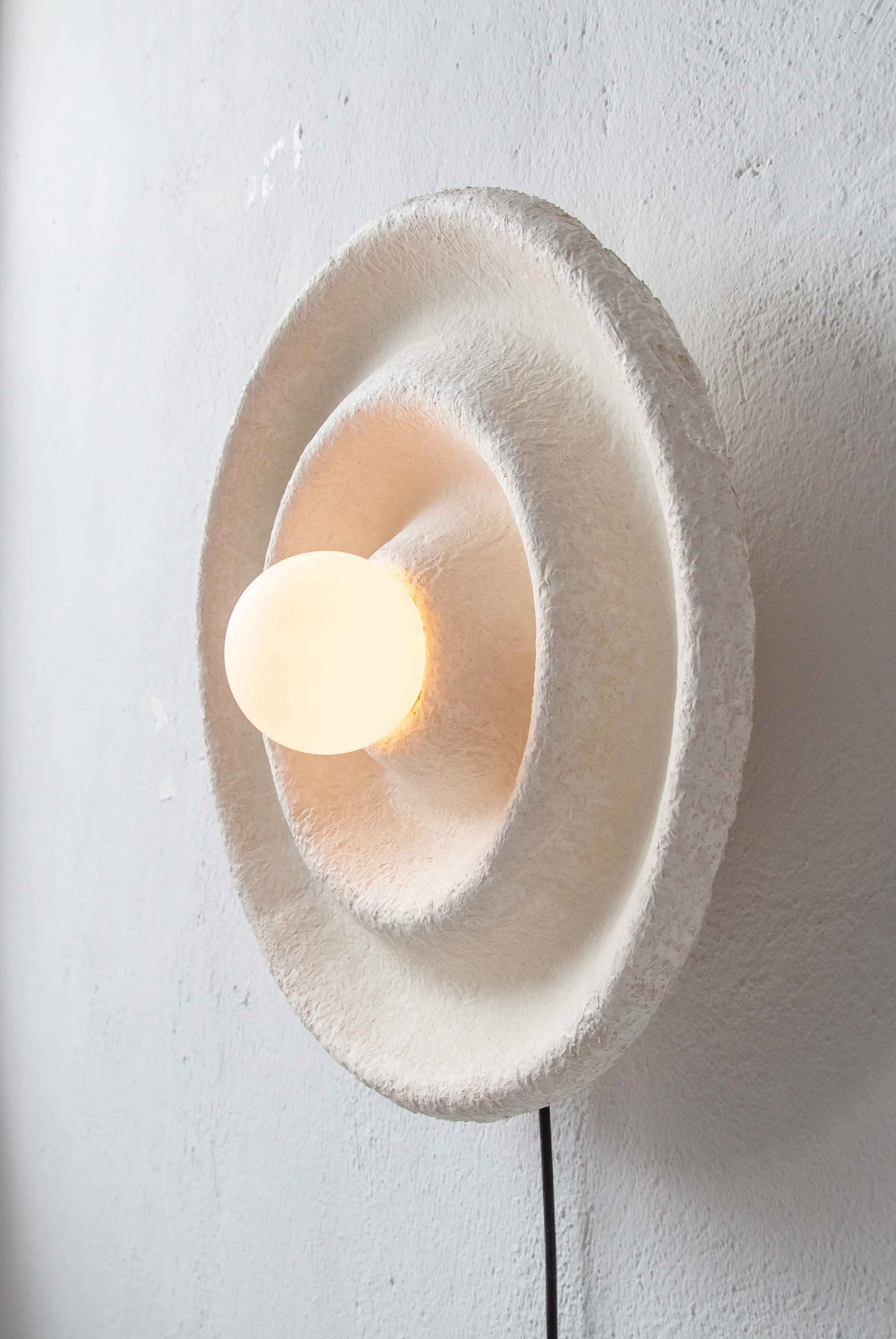
Soft mycelium ripples of the MushLume Radiate Sconce emulate the natural motion of water and sound waves
How sustainable is mushroom lighting?
Mycelium lighting is often considered a lower-impact alternative to conventional materials, particularly in terms of:
Renewable inputs
Production energy
End-of-life potential
Because it is grown from plant-based matter, it reduces reliance on fossil fuels and mining.
At the end of its life, the material can biodegrade under the right conditions.
However:
Environmental impact depends on the full lifecycle (production, transport, use)
Not all products are equally processed or finished
Claims such as “carbon negative” require verified lifecycle analysis
For a full breakdown, see mycelium lighting vs traditional materials.
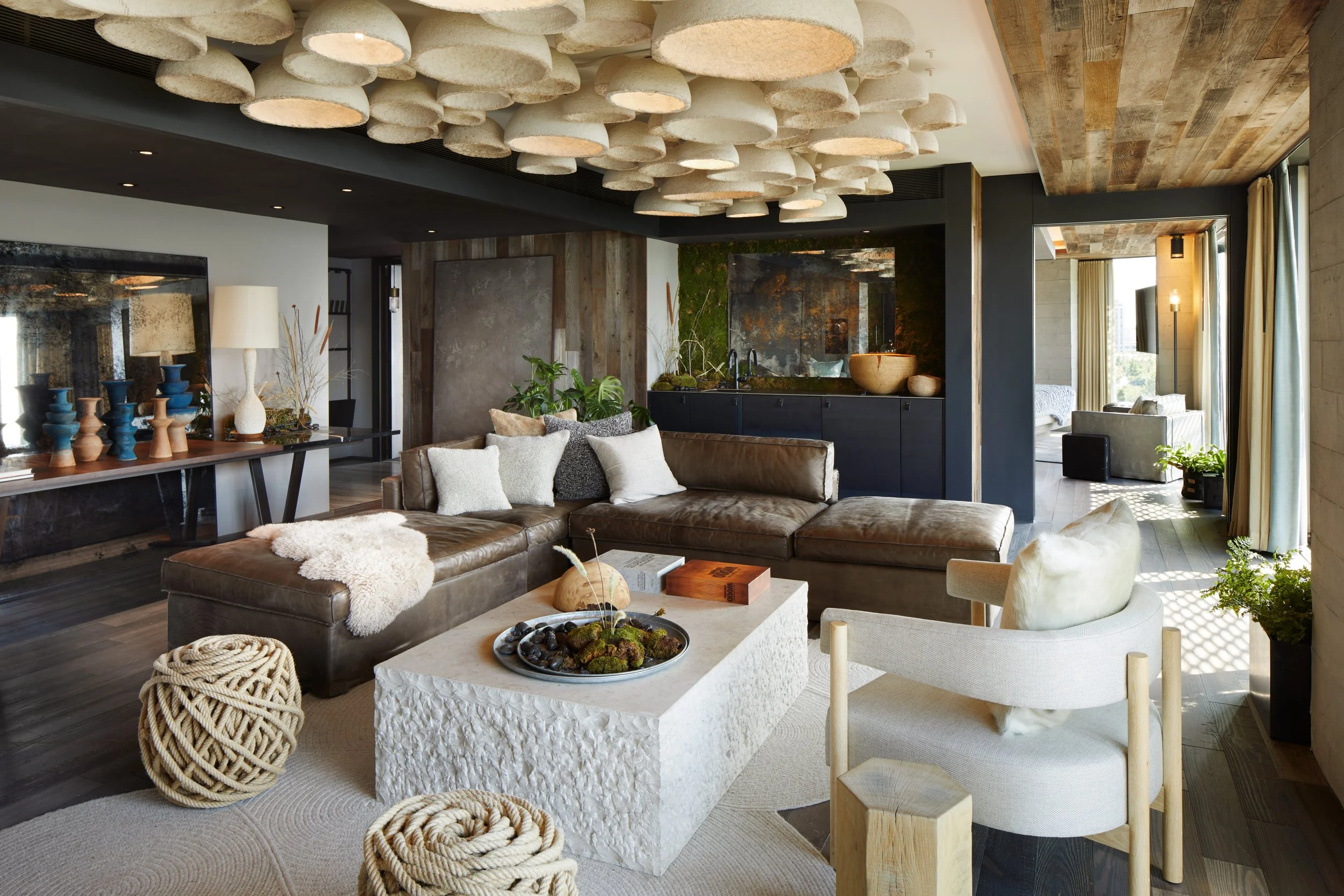
MushLume pendants clustered on the ceiling of 1Hotel Brooklyn Bridge—a hotel group known for their deep integration of nature in design
Where mycelium lighting is used
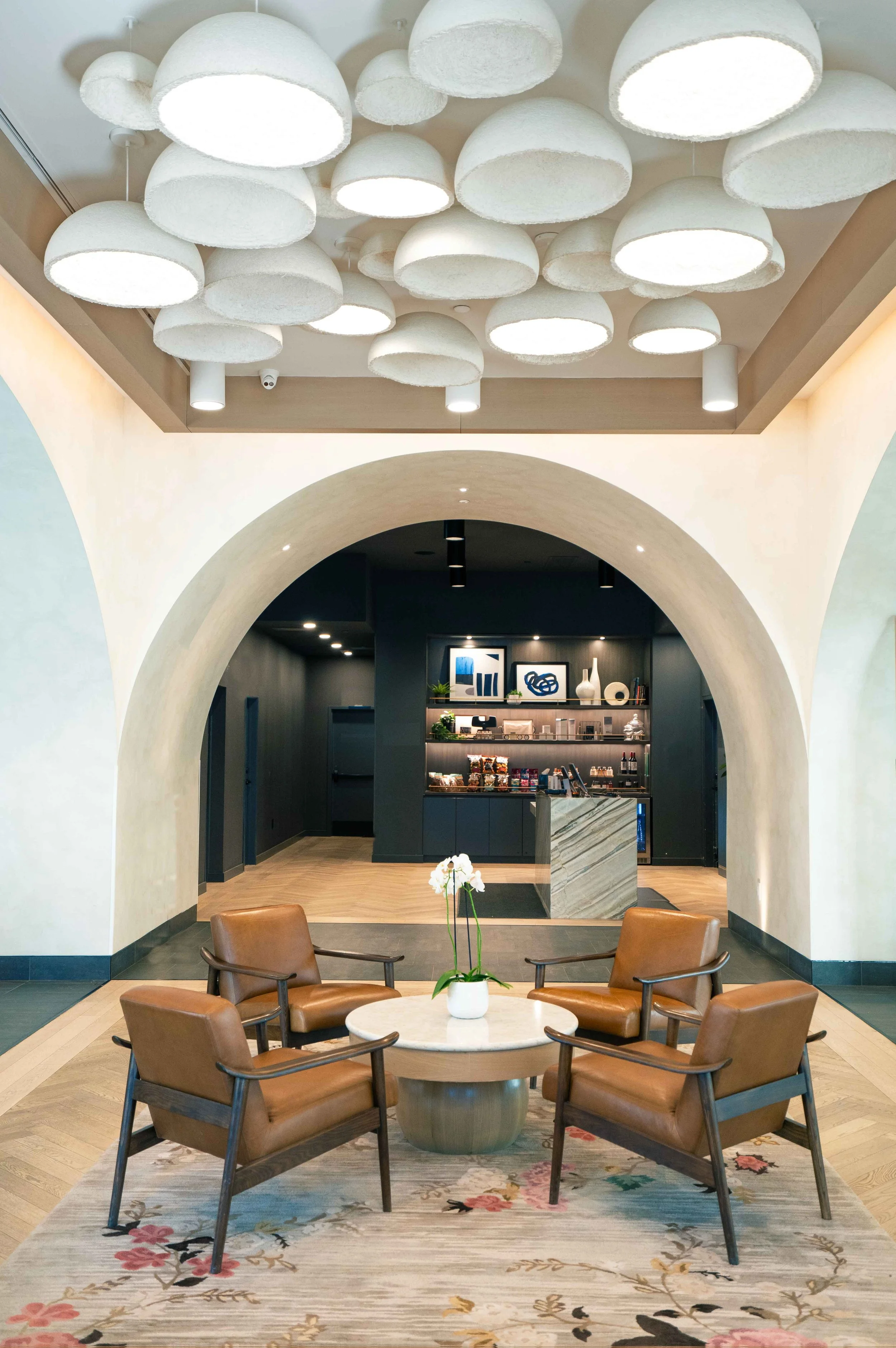
A cluster of mushroom pendants adorn the hotel lobby of The Westley Hotel— Tapestry Collection by Hilton
Residential Interiors
Creates warm, natural living environments that prioritize healthy materials, comfort, and timeless design.
Hospitality & Wellness
Enhances hotels, spas, restaurants, and wellness spaces through biophilic design, natural acoustics, and immersive guest experiences.
Workplace & Commercial Interiors
Supports healthier, more inspiring offices and commercial environments with sustainable materials that improve occupant wellbeing and acoustic comfort.
Multifamily Residential
Adds warmth and character to amenity spaces, lobbies, corridors, and residences while contributing to healthier indoor environments.
Retail & Branded Environments
Creates memorable customer experiences through distinctive materiality, storytelling, and sustainable design.
Education & Cultural Spaces
Ideal for universities, museums, libraries, galleries, and learning environments seeking low-impact, healthy materials with strong visual and acoustic performance.
Civic & Public Spaces
Suitable for airports, transportation hubs, municipal buildings, and community spaces where durability, sustainability, and occupant experience are key considerations.
Is mycelium lighting durable?
When properly dried and finished, mycelium materials are:
Structurally stable
Suitable for indoor use
Comparable to other natural materials in longevity
However:
They should be kept in dry, climate controlled conditions
They are not for exterior use
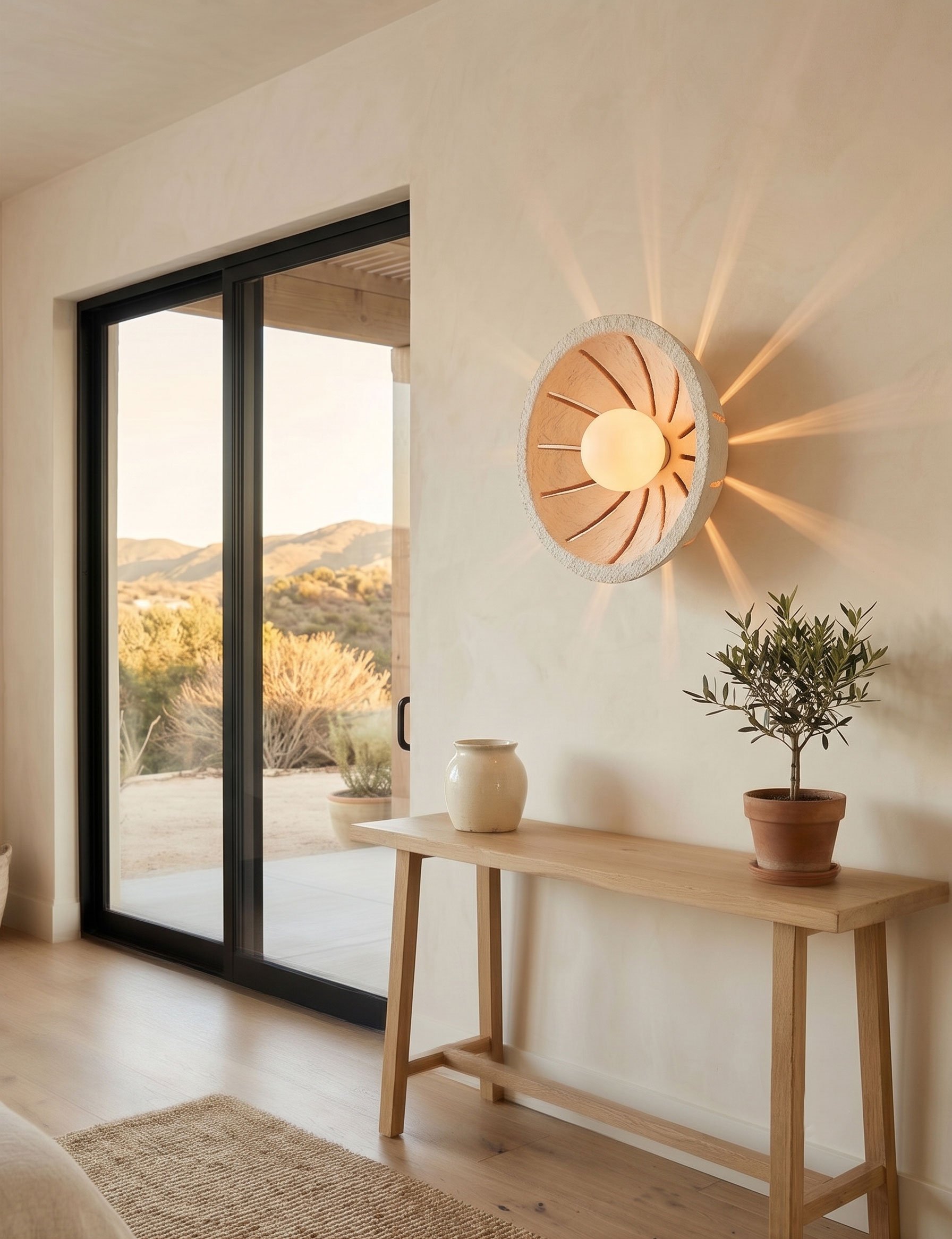
MushLume Ray Sconce in residentail interior space (AI assisted)
Is mycelium lighting expensive?
Mycelium lighting is generally positioned within a premium market segment.
This is due to:
Small-batch, handmade production
Emerging material technology
Design-driven applications

"For more than twelve years, I've worked with mycelium—not just studying this remarkable organism, but learning from it. We all develop relationships with the spaces we inhabit. What better way to strengthen our connection with nature than by bringing materials grown by nature into our homes?"
Danielle Trofe
Founder | Biodesigner
A new way to think about materials
Mycelium lighting represents more than a new product—it reflects a shift in how materials are conceived.
| Conventional Manufacturing | Biological Manufacturing |
|---|---|
| Extraction | Growth |
| Standardization | Variation |
| Industrial Manufacturing | Biological Fabrication |
This shift opens new possibilities for design—where materials are not only shaped, but cultivated.
Final takeaway
Mycelium lighting is a biofabricated material grown from fungi and plant fibers, offering a renewable, low-energy alternative to traditional lighting materials.
While it is not a universal solution for every application, it introduces a new way of thinking about how lighting is made—and what it can represent.
As material innovation continues to evolve, approaches like mycelium lighting point toward a future where design works more closely with natural systems, rather than apart from them.