
Most lamps are manufactured by cutting, shaping or assembling materials that have already been extracted and processed. MushLume lighting begins differently: with a living organism and a carefully prepared agricultural substrate.
Our mushroom lamps are grown through a process called biofabrication, in which biological growth becomes part of the way a material is formed. Rather than relying on a conventional binder to hold the material together, mycelium grows throughout a plant-based substrate, creating a dense network of microscopic fibers that binds the larger particles into a solid, lightweight form.
The result is a mycelium-composite lampshade with an organic surface, subtle texture and color variations and a material story that is visible in every fixture.
First, What Is Mycelium?
Mycelium is the vegetative structure of fungi: a branching network composed of extremely fine filaments called hyphae. It typically grows through soil, wood and other organic matter, breaking down material and cycling nutrients through ecosystems.
Mycelium and mushrooms are related, but they are not the same thing. A mushroom is the fruiting body produced by certain fungi, while mycelium is the underlying network from which a mushroom can emerge. One simple comparison is to think of a mushroom as the fruit and mycelium as the root-like system—although, biologically, mycelium is not a plant root.
In mycelium-based composites, this network performs another remarkable function. As it grows through a fibrous substrate, the hyphae interweave around the individual particles and bind them together. This natural binding ability makes it possible to grow materials into three-dimensional forms.
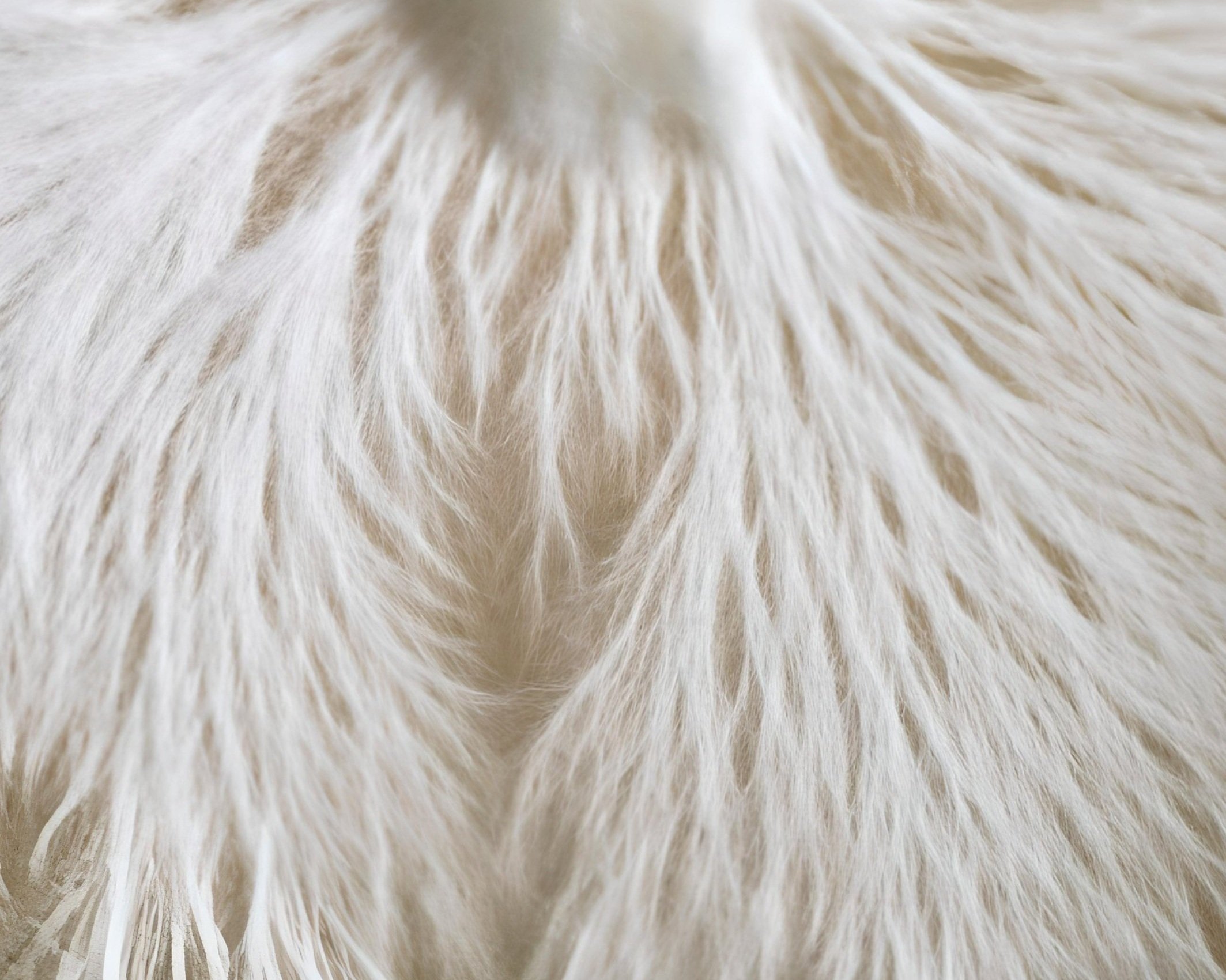
Thread-like hyphae of mycelium— the “roots of mushrooms”
Step 1: Preparing the Hemp Substrate
Every MushLume shade begins with hemp-based agricultural material—a byproduct from the fiber industry. This provides both the physical body of the composite and the nutrients the mycelium needs during cultivation.
The substrate is prepared and combined with living mycelium under controlled conditions. At this stage, the material is biologically active. Temperature, humidity, cleanliness and airflow all influence how successfully and evenly the mycelium develops.
This is one reason biofabrication requires more than simply placing material in a mold and waiting. Growing consistent mycelium lighting involves an ongoing relationship between biology, environmental control, tooling and craft.
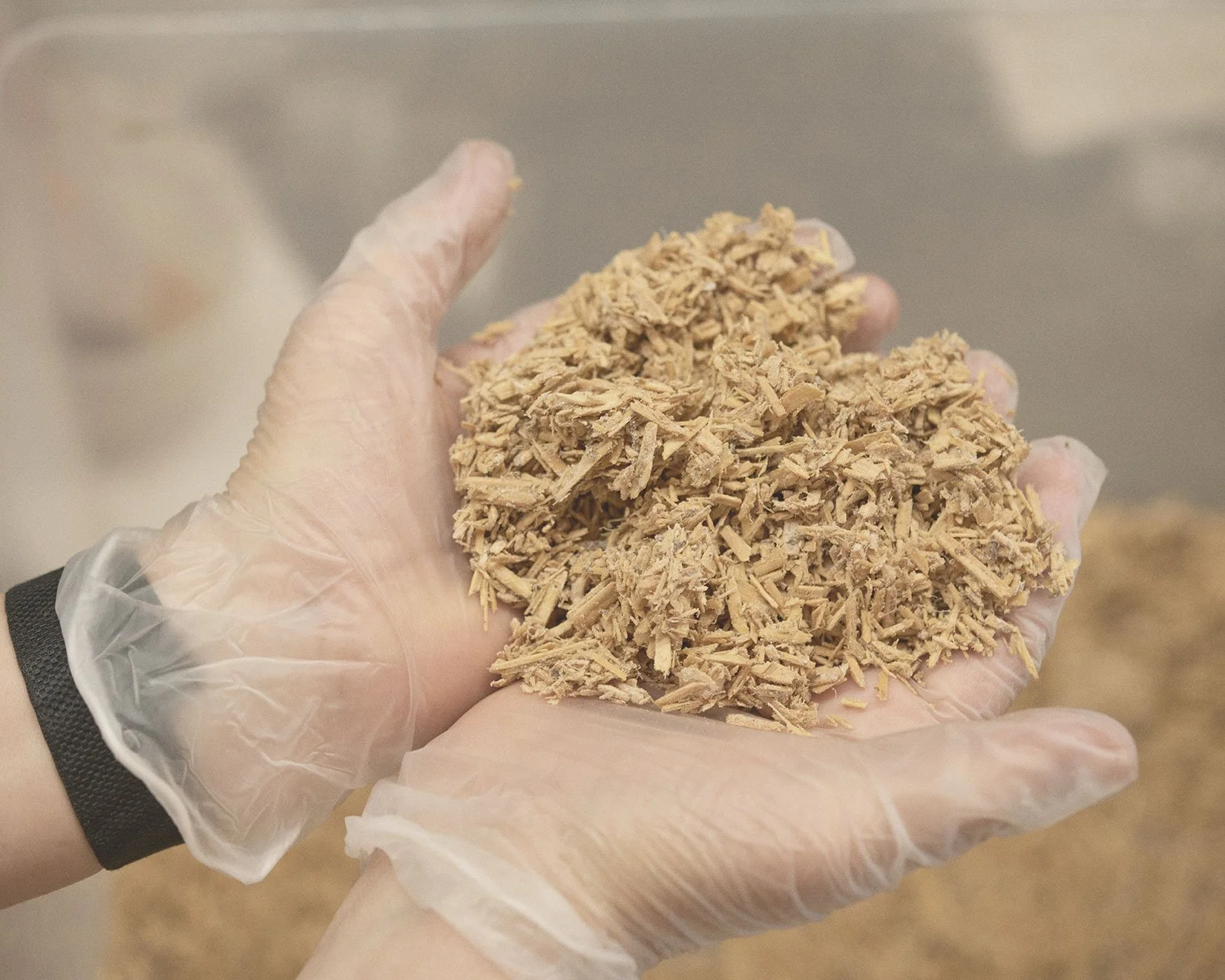
Hemp hurd substrate—a byproduct of sustainably grown hemp for the fiber industry
Step 2: Allowing the Mycelium to Colonize
Once introduced to the hemp substrate, the mycelium begins to grow through it. Its branching hyphae travel between and around the particles, gradually transforming the loose mixture into a cohesive mycelium composite.
This first phase gives the organism time to establish itself throughout the material. Conditions must be carefully maintained to support healthy, even growth while reducing the possibility of contamination.
Unlike an industrial adhesive that is applied instantaneously, mycelium creates its binding network over time. The material is not simply assembled—it develops.
Step 3: Forming the Lampshade
The colonized substrate is then hand-formed into custom molds designed for each MushLume fixture. The molds establish the dimensions and overall geometry of the shade, but the biological growth taking place inside them is what unifies the form.
As the mycelium continues to grow, its hyphae network expands through the hemp and around the contours of the mold. The material gradually becomes firm enough to retain its intended shape.
Molding is one of the primary ways mycelium composites can be cultivated into three-dimensional objects. An additive fabrication process with little to no waste produced in the growing process. By harnessing the power of nature, each lampshade is grown to shape in only 7-10 days using very little water and energy.
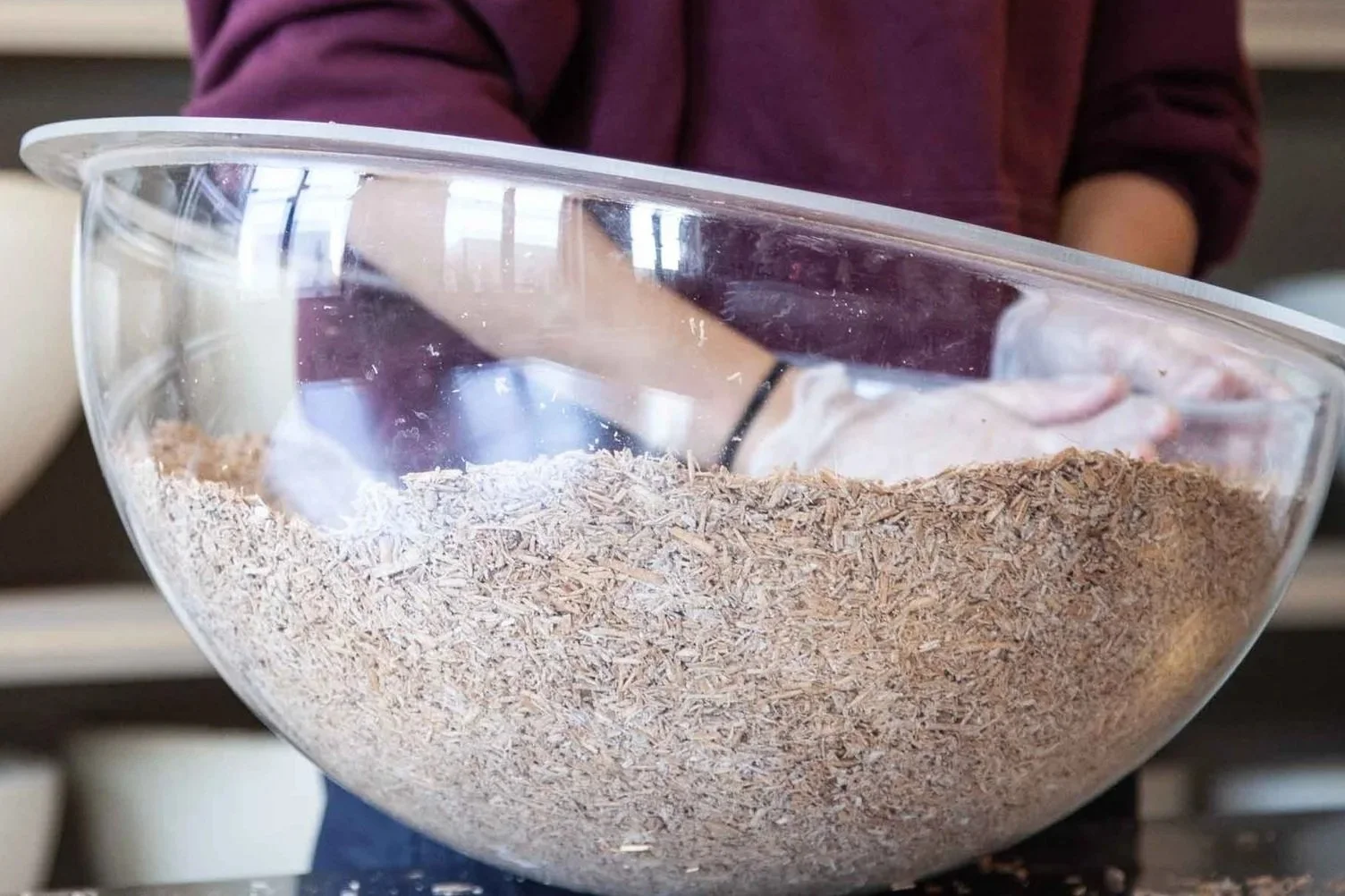
Handcrafting a mycelium and hemp lampshade
Step 4: Growing the Exterior Skin
After the shade has developed sufficient structure, it is removed from its mold and given additional time under controlled conditions.
During this stage, the exposed mycelium continues to grow across the surface, creating the pale, softly textured exterior associated with MushLume lighting. This outer skin is not painted on, printed or artificially reproduced. It is formed by the organism itself.
That natural process means no two mushroom lamps develop in precisely the same way. Small variations in tone, texture and surface pattern are inherent characteristics of the material. Rather than treating those differences as defects, we consider them part of the identity of a grown object—visible evidence of the process that created it.
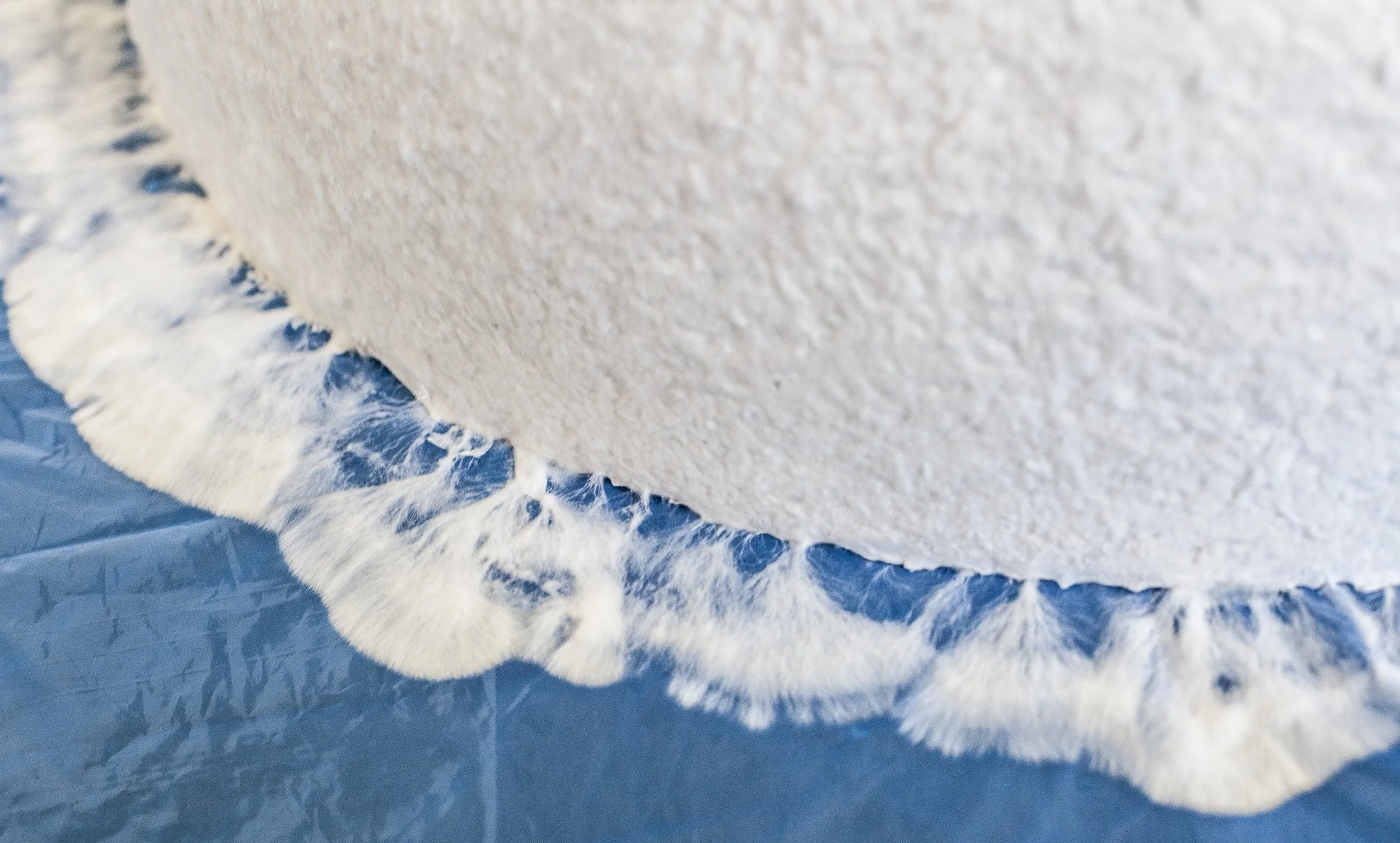
Mycelium hyphae growing out from the edge of a MushLume Hemi lampshade
Step 5: Stopping the Growth
Once the desired form and surface have developed, the shade is carefully dried and/or heat-treated. Heating and drying remove moisture and stop the biological growth process, stabilizing the material for use as a finished lampshade.
This distinction is important: a completed MushLume shade is no longer actively growing. It will not continue to spread mycelium or produce mushrooms in your home, hotel or workplace.
Ecovative, whose mycelium technology underlies the material system used by MushLume, likewise explains that properly processed mycelium materials do not produce or release mushroom spores.
After this stage, each piece is inspected and prepared for integration with its lighting components.
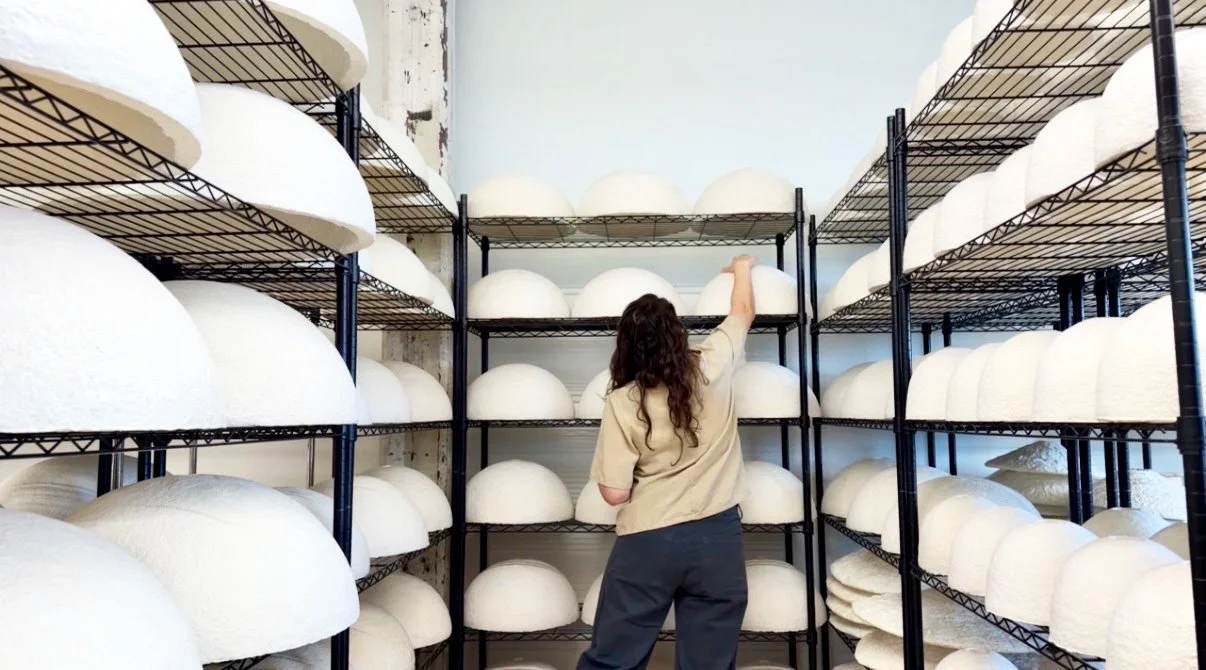
Inside MushLume’s studio where hundreds of finished mycelium lampshades await to become light fixtures
Step 6: Finishing and Assembly
The grown shade is only one part of a complete light fixture. Once stabilized, it undergoes finishing, quality control and assembly with the appropriate UL-certified electrical hardware.
Each finished fixture must meet both aesthetic and functional standards. We inspect the overall form, dimensions, surface, density and areas that interface with the lighting components. Because the material is grown rather than mass-produced from a uniform sheet, this process requires trained judgment as well as repeatable production protocols.
The goal is not to eliminate the material’s natural character. It is to preserve that character while ensuring the fixture performs consistently.
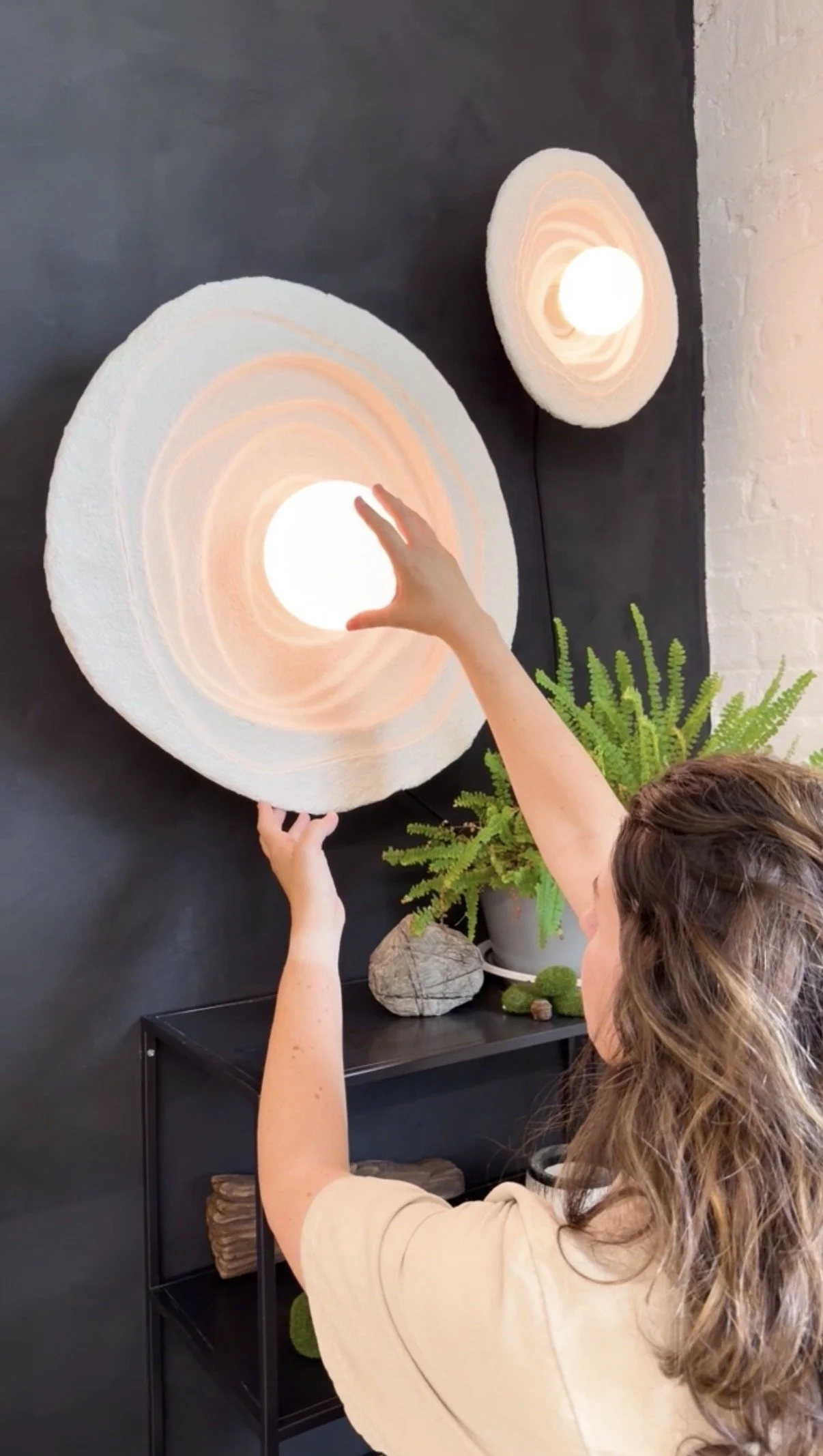
A MushLume Terrace Journey In Sconce lampshade is inspected for quality and functional fit using all accompanying lighting hardware
Grown, Not Manufactured
Calling these objects mushroom lamps makes an unfamiliar technology easier to picture, but the material itself is made from mycelium and hemp—not from mushrooms themselves.
That is why we use several related terms:
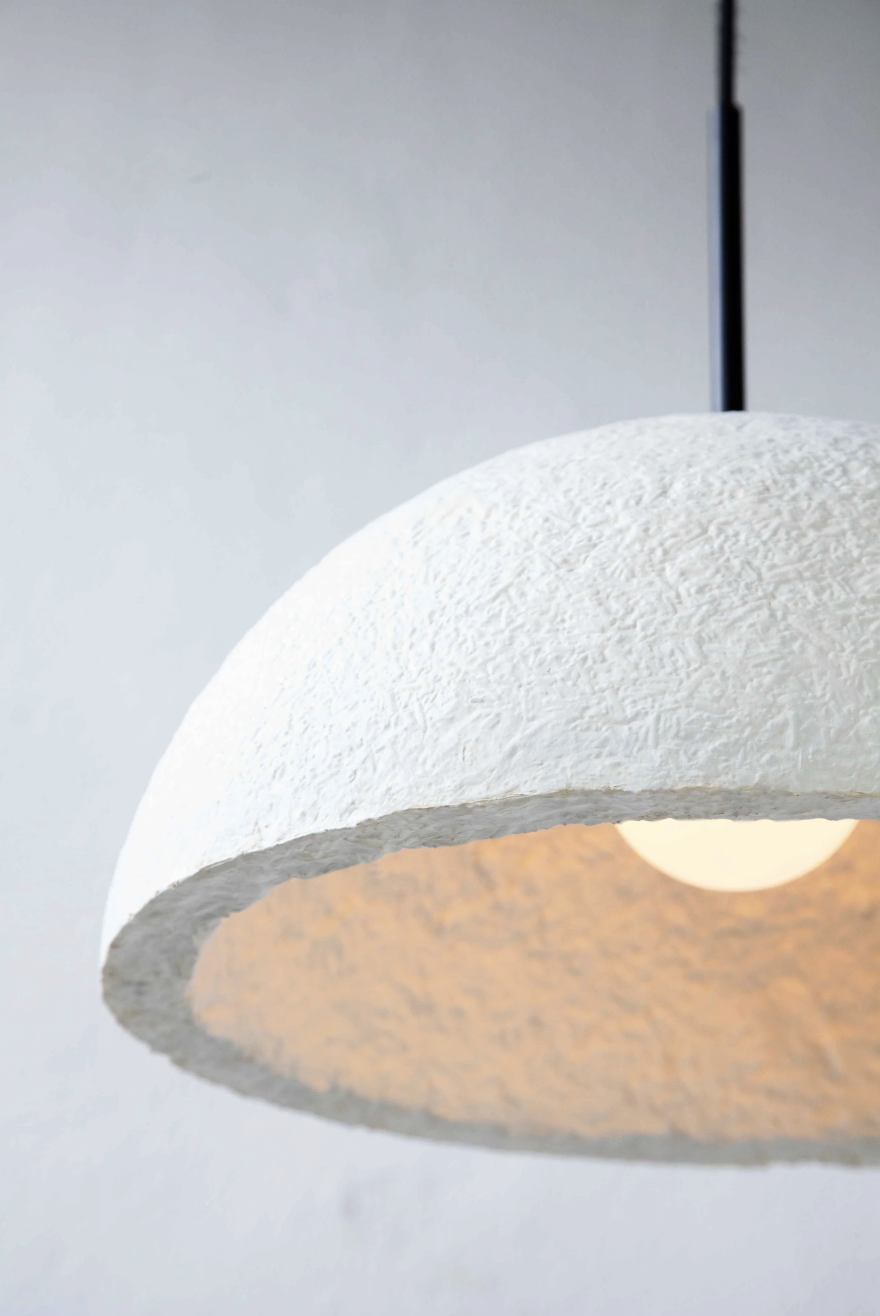
The iconic MushLume Hemi Pendant
biofabricated using mycelium and hemp
Mushroom Lamps
Describes the fixtures in familiar, approachable language.
Mycelium Lamps
Identifies the biological structure that forms the material.
Mushroom Lighting
Refers broadly to lighting made through fungi-based material systems.
Mycelium Lighting
Is the most technically precise description of the category
Whichever term brings someone to the process, the central idea remains the same: these lampshades are cultivated through biological growth rather than formed primarily from petrochemical plastics or other conventional shade materials.
Why the Process Matters
Biofabrication changes more than the appearance of an object. It changes the relationship between designer, material and method.
With conventional manufacturing, a material is often treated as passive matter that must be forced into shape. Working with mycelium requires a different approach. We establish the conditions, guide the geometry and support the organism’s growth—but the material participates in its own formation.
That collaboration produces a surface that industrial replication cannot fully imitate. Every shade carries evidence of time, environmental conditions and biological development. The variation is subtle, but it gives each MushLume fixture its own presence.
Our mushroom lighting offers a glimpse of a different material future: one in which products can be cultivated from biological systems and agricultural fibers, used to create lasting interiors and considered with their full lifecycle in mind.
A lamp can do more than illuminate a room. It can illuminate another way of making.
| Conventional Manufacturing | Biological Manufacturing |
|---|---|
| Extraction | Growth |
| Standardization | Variation |
| Industrial Manufacturing | Biological Fabrication |
This shift opens new possibilities for design—where materials are not only shaped, but cultivated. Explore our deep dive into Mycelium v. Traditional Lighting Materials: A Sustainability and Performance Comparison
Frequently Asked Questions
Are mushroom lamps made from mushrooms?
MushLume shades are made from mycelium—the branching vegetative structure of fungi—grown together with a hemp-based substrate. They are not made from the fruiting bodies: mushrooms.
Are mycelium lamps still alive?
No. The mycelium is alive during cultivation, but the completed shades are dried and/or heat-treated to stop further growth.
Will a mushroom lamp grow mushrooms or release spores?
No. A properly finished mycelium shade is stabilized and is not capable of producing mushrooms. Mushrooms, rather than the vegetative mycelium used to form the composite, are the structures that ordinarily produce spores.
Why do mycelium lamps look slightly different from one another?
The surface develops through biological growth. Natural variations in texture, color and pattern are therefore expected and make every shade subtly unique.
What is biofabrication?
Biofabrication is a broad term for making materials or products using biological organisms or biological processes. In MushLume lighting, the growth of mycelium is used to bind a hemp substrate and form the body of the lampshade.